17 Jun 2015

Paris bookstore disappear


The booksellers has been a staple of Parisian culture for centuries, known as a go-to supply exhausted or unusual reading material - but their life is threatened.

An office with a view (Credit: Credit: Nick Kozak)

An office with a view


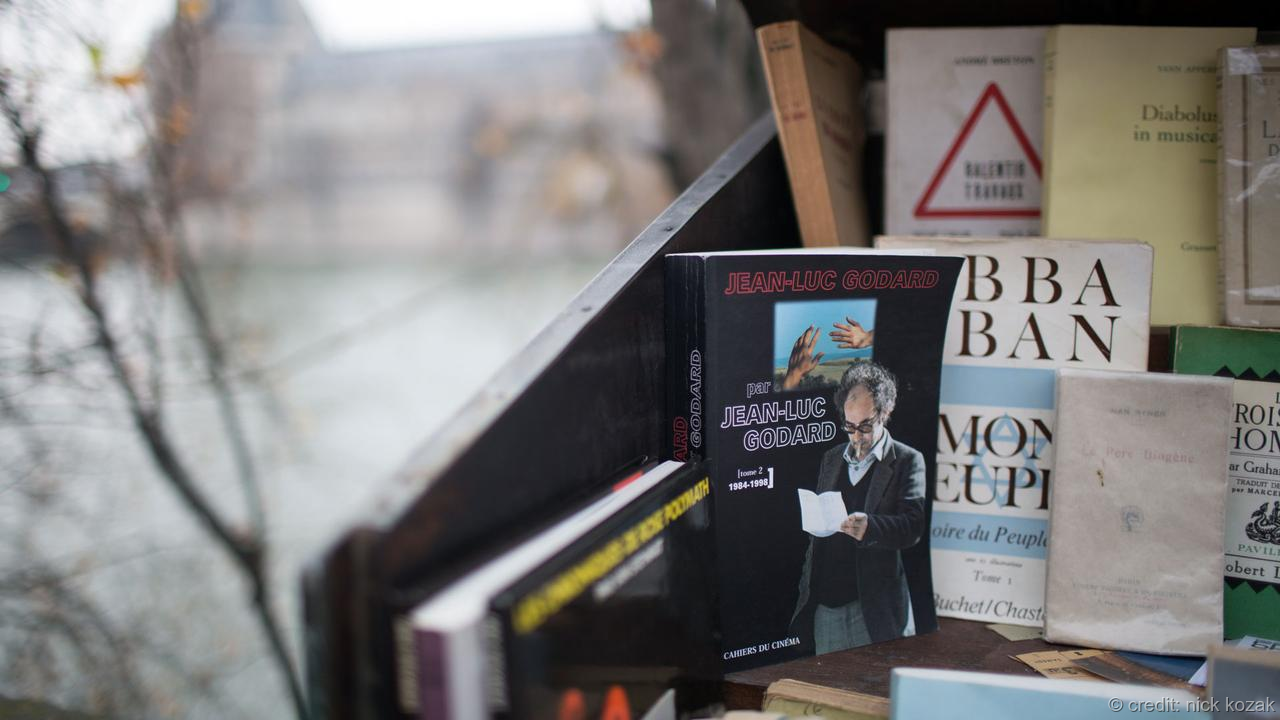
One of the most important monuments of Paris are the famous bookshops: booksellers who sell their products every day along the River Seine. Bargaining dates to 1400, the booksellers have been known for centuries as a go-to source for reading material exhausted or rare among locals and travelers who come here to find titles like in Vagrant author Colette biting and controversial or the first edition of the French comic strip The Mischievous Lili, from the early 1900s and has never been reissued. The cultivation of about 20 vendors at the turn of the 17th century, there are now about 240 booksellers in Paris. Their traditional green wooden boxes that dot both banks of the Seine, the Musée d'Orsay in the Arab World Institute, with the highest concentration is at the entrance of the Latin Quarter, home of the famous Sorbonne University. (Credit: Nick Kozak)
 

The traveller challenge (Credit: Credit: Nick Kozak)

The traveller challenge

But even with 240 vendors lining the banks, competition does not come often in close positions. The 'booksellers biggest challenge over the past 20 years has been the proliferation of e-readers and Internet access, reducing sales of books and make materials outside the print easier to find. To offset declining sales, many have resorted to booksellers supplement their income with memories, which are technically permitted under the regulations of the city that allows the sale of commercial products from four green boxes is assigned to each vendor. But the movement did not sit well with some of the Items population, triggering a debate between suppliers in about what can and can not sell - and it will change a tradition that has been a staple of the Parisian culture. (Credit: Nick Kozak)

The price of growth (Credit: Credit: Nick Kozak)

Price growth

At the end of 1980, Jean-Pierre Mathias left his job as professor of philosophy to become a bookseller. "When I came to my store, I started selling my old books ... I liked the idea of ​​following the philosophy here without having to be a teacher," he said. Mathias only sells books and engravings; He refused to comply with the increasing number of foreign tourists selling souvenirs. "For me, a book will always be a book, and people who love books continue to buy them. The theater did not disappear with the beginning of the film, "he says with a big smile (Credit: Nick Kozak).

From comics to keychains (Credit: Credit: Nick Kozak)

From comics to keychains

Robert Francis was selling comics in his shop for over 35 years. At first, he said, people came to him, if you were looking for a particular comic story. If you do not, then they do online would. Now it is the opposite: they only come if they can not find online. To compensate, Robert memorabilia collection - including ubiquitous statues Eiffel Tower - has increased in recent years. As residents still come to buy a book or two, he said most of his customers are abroad and are more likely to buy his memories of his comics, which are mainly written in French. (Credit: Nick Kozak)


A job with benefits (Credit: Credit: Nick Kozak)

A job with benefits

Items Each is required to maintain their boxes, but beyond that, the work has a lot of freedom. Merchants can set their own hours of light (the stalls are locked once the sun sets); choose the reading material they want to sell; and spend the day enjoying the best views of Paris. Yet many booksellers believe that the city should do more to support tradition as lower sales. One suggestion is that the sellers of electricity installed so it can expand its hours of the night. (Credit: Nick Kozak)
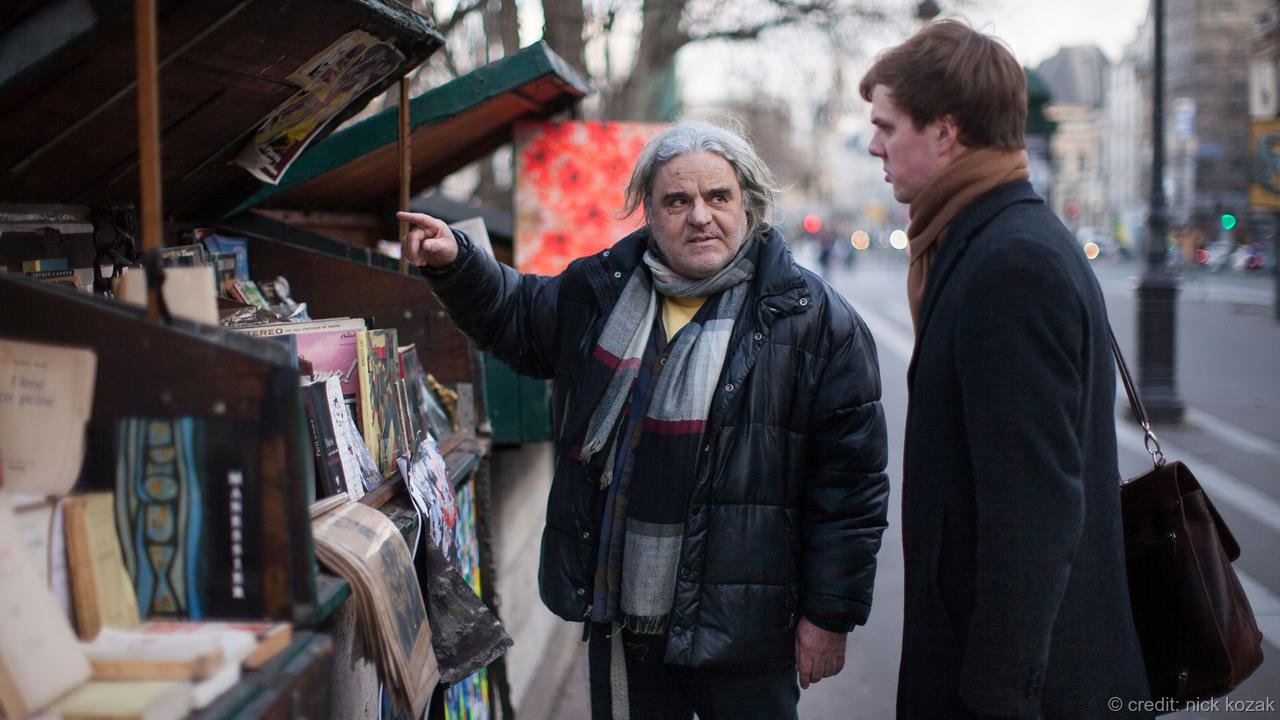
Standing strong (Credit: Credit: Nick Kozak)

Standing strong

Bernard Carver entered the business of selling rare books, 20 years after the arrival of Lebanon without much money. Soon he began living on the streets, he said, and chose comfort in books instead of alcohol. Passion, it binds with certain booksellers. To sell their products, he said, you must be familiar with, boasting that he read everything on your shelf. But even that did not stop the decline in sales, and expressed his anger to the proliferation of sold trinkets. Some marketers have even added folding tables in front of their stalls to expand its collection of memories - a tactic not covered by the regulations of the city. (Credit: Nick Kozak)

A creative solution (Credit: Credit: Nick Kozak)

A creative solution

Many booksellers selling trinkets made in China, including the Eiffel Tower key chains and mugs I love Paris. One of the young traders, George Roman, chose instead to sell antique prints ads created by him and his father, and paintings by students of the prestigious Ecole des Beaux-Arts, conveniently located just behind his store. Therefore, he said, he can sell souvenirs that are made both in France and linked to local culture - a solution, perhaps, taking the best of both worlds. (Credit: Nick Kozak


 

Read more ...

14 Jun 2015

5 Questions to Ask Before Choosing a Travel Agent

While internet booking motors have made it simpler for voyagers to purchase their own particular flights or lodging rooms, travel specialists still offer a level of administration and skill not offered by a pursuit bot. "When you book on the web, the booking motor or site just comprehends what information you data," brings up Chuck Flagg, proprietor of a Cruise Holidays office in Canton, Georgia. "They don't comprehend what is really critical to and your gang. It doesn't know whether you are a 60-something who still likes to move it up with local people at the club or in the event that you are OK being around children." Travel specialists likewise may have exceptional livens or evaluating not accessible to the overall population.

Here are a few inquiries that can help you pick the right travel specialists for your needs.

  1. Have you gone to my destination? Whether you're making a trip to Paris or Puerto Rico, inquire as to whether your specialists has been there (and provided that this is true, how as of late?). While manuals and sites offer bunches of point of interest on a given destination, they don't generally measure up to being there in individual. "Book information or internet preparing courses by suppliers is entirely unexpected from encountering it firsthand," Flagg says. Lisa Griswold, co-proprietor of the Atlanta-based Pixie Vacations, who represents considerable authority in arranging Disney get-aways, concurs, including that "you don't know how superb a Disney voyage is until you've encountered one: the delight, the tender loving care, the little additional items, the character association."

  2. What is your reaction time? On the off chance that sitting tight a few days for a reaction to a messaged inquiry is going to make you on edge, ask potential operators when they're accessible and how rapidly you ought to expect a reaction. "A few operators are low maintenance specialists, and they work in the nighttimes," Griswold says. "Some are accessible amid the school day. Others do this full time. It's unquestionably shrewd to see whether your calendar can organize with what your specialists can give."


  1. What administrations do you offer? Specialists give differing levels of administration. Some will just book inns and flights and abandon you to fill in alternate points of interest, so in case you're expecting help with supper reservations or ground transportation, inquire as to whether he can deal with those. "A decent specialists is going to help you with any points of interest that you need," Griswold says. "We offer schedule arranging down to what rides they plan to go on, which stops to go in which days and direction that with their suppers."


  1. Do you have any confirmations or accreditation? Flagg recommends getting some information about preparing or confirmations to get a vibe for the specialists' skill. For example, in case you're occupying a journey, you could search out an operators guaranteed through the Cruise Lines International Association. Griswold includes that you additionally can ask how regularly the specialists goes to classes to stay current in the business.


  1. What charges would it be advisable for me to anticipate? A few specialists charge a level expense or an hourly expense for travel counseling, while others acquire commission from the air transport or lodging booked. "Get some information about charges, whether there are occupying expenses or any sort of retraction expenses," Griswold says. "There are some high rates out there, and a few organizations would prefer not to converse with you unless you're willing to submit."


Obviously, while you get some information about the specialists' experience and strategies, she may be testing you also. This can be a decent sign, as Flagg proposes searching for a specialists who asks "why" questions. "This is something online will never ask," he says. "Why would you like to take this excursion? Why did you pick a Disney journey? Did the nourishment offerings settle on this some piece of your choice?" Once a specialists inspires your answers, she will be better prepared to tailor the outing to you and your gang.


Read more ...

22 May 2015

The Secret to Perfectly Hydrated Skin

woman pouring coconut oil

For more than a decade, I have studied the traditional uses of plants—a field known as ethnobotany—in Micronesia, a very remote area of the Pacific Ocean where people still use plants for many aspects of their daily lives, as their ancestors have done for centuries.

According to the ethnographers who visited the region a century ago, coconut oil was widely used by the royalty who ruled the islands and was known as “royal oil.” Traditionally it was used to keep skin moist, protecting it from the sun to maintain its suppleness and beauty. Commoners also used the oil—which was perfumed with essences from local plants, flowers, and certain aromatic woods—but bathed and anointed their bodies less frequently. With the adoption of European clothing, the need to protect one’s skin from the equatorial sun was reduced, and slowly the daily ritual of using coconut oil to anoint the body and hair after bathing was lost. Today, visitors to the Micronesian islands can still purchase freshly made coconut oil in grocery stores and souvenir shops.

While spending time on the Micronesian island of Pohnpei, I was fortunate enough to learn the process of making scented oil from Maria Raza, an affable woman originally from the island of Kosrae and widely recognized as the maker of the best-perfumed coconut oil in her area.

To scent her oil, Raza uses the flowers of a common tree, locally known as , or ylang-ylang. It is the only perfuming ingredient that remains in use for making traditional oil on Pohnpei and Kosrae—and it's also one of the key floral notes in Chanel No. 5. The yellow-green flowers of ylang-ylang are carefully picked, the fragrant petals pulled from the flower and gently piled on a clean cloth. Raza then places several large handfuls of flower petals in heated coconut oil, stirring until the petals are completely covered. After several hours, the aromatic essential oil found in the petals infuses into the coconut oil. As evening approaches, Raza takes the pot off the fire and pours the oil-flower mixture through wire mesh to remove what remains of the petals. Over the next several days, the process is repeated, with more petals added to the same batch of coconut oil, which begins to take on a delightful fragrance—subtle but not overwhelming.
How to Make Royal Oil

Making royal oil in the traditional way is fairly simple and inexpensive, and it can be done at home with a few easy-to-obtain ingredients.

1. Pick fresh flowers or leaves with which to perfume the oil. Tropical ylang-ylang may be hard to come by, so try other aromatic flowers, such as rose petals—particularly a fragrant variety like the Damask roses that are traditionally used in perfume making. Try mint or lavender for an invigorating blend. It is fun to experiment with different plants until you identify one—or a mixture—that has an aroma you find pleasing.

2. Start with a few cups of pure coconut oil (which can be purchased at a drugstore) and heat it gently in a pot or double boiler. Low heat is essential, as too much heat will burn the oil and give it an unpleasant smell. If that happens, discard and start the process again.

3. Remove the pot from the heat and add a cup of chopped petals or leaves. Let the aromatic essences from the plants infuse the oil for 4 to 6 hours. If the oil begins to solidify, slowly heat it back up. Then, using a wire mesh scoop or strainer, remove the plant material. Repeat the process, removing the old flowers and adding new ones each time during the next day or two, until you find that the oil pleases your senses.

4. Pour the oil through cheesecloth or a metal kitchen strainer and bottle it in a glass or plastic jar.

Useful tip: Add the contents of a capsule or two of vitamin E to each bottle (discarding the gelcap) to prevent oxidation that might lead to rancidity.

Note: Oil stored below 76°F will turn into a white solid fat. Keep perfumed coconut oil in a glass or plastic jar that can be placed under a hot faucet, where it will slowly return to a liquid for easy pouring.

Cheat sheet: To perfume coconut oil without investing the time needed to make it the traditional way, try using an essential oil instead. For each cup of warm coconut oil, add a few drops of essential oil, stir carefully, and test on your skin, smelling it to see if you like the concentration.

Source : rodalesorganiclife[dot]com
post from sitemap
Read more ...

15 May 2015

4 Ways To Water Plants While You're Away

Keep Plants Watered While You're Away

So you're taking off on a big trip? Good for you. Studies have shown that vacations are good for your health. But now you have to figure out what to do about watering your plants. The good news is that it's perfectly fine to leave plants on their own while you're away. (Sadly, we can't say the same for your pets.) It just takes a little planning and forethought.

Well-watered houseplants will last for days, even a week, on their own. If you're heading out for a short time, give them a final drink just before you leave and move them out of sunny windows or hot rooms. Outdoor potted plants will dry out faster, so give them a soaking before moving them into a cool garage or laundry room to slow down their water use.

For longer vacations (more than a few days), however, you'll want to do more. Here's what we recommend.

Find An Educated Neighbor

If you have a plant-savvy friend who can come over a couple times a week while you are away, in exchange for your doing the same in return, that's ideal. Even a careful non-plant-savvy person will work in a pinch if you do a little pre-travel planning. For a few weeks before you leave, keep track of how much water each plant tends to need and how often, and then leave very specific instructions ("give this plant ½ cup of water every weekend"). Help your friend out by grouping plants with similar watering needs together on a waterproof floor and out of direct sun. Remember, your house may be warmer while you are away in the summer, so adjust care instructions to account for faster water use.

Bag 'Em

If you have a manageable number of plants, you can make a water-recycling terrarium out of a large clear plastic bag that will keep them happy for months. Put the open bag on a waterproof floor in a room that will stay at a moderate temperature (cool in summer, warm in winter) and out of direct sun. To avoid tearing the bag, carefully spread a moist towel along the bottom, and arrange as many well-watered potted plants on the towel as will fit. Pull up the sides of the bag over the plant(s), blowing in air to puff out the bag, and twist it shut on top (you can seal it with a twist tie or a rubber band). For an extra-airtight seal, fold the twisted portion in half, and wrap it with another rubber band. The plants inside will release water from their leaves, and the excess will drip back down onto the leaves and potting soil, where it will be available to the roots again. I used the same plastic bag for three years to get the plants in my college dorm through school-year holidays, and they were still growing when I graduated. You can do the same for plants in outdoor containers. Just remember, whether your plants are indoors or outdoors, keep them out of direct sunlight, or your terrarium bag will turn into a solar cooker.

Wick-ed Easy Alternative

If you have large and unmovable plants, prefer to avoid plastic bags, or just have too many to move, you can set up an easy wicking system that works indoors or out. You need some sort of absorbent wicking material—thick yarn, scraps of old natural-fiber rope, or strips of a cotton T-shirt—and containers (like bottles, bowls, or pails) to hold water. Note: Arrange a test pot to make sure your wick works well.

Set a container of water next to the plant; a single container can serve multiple pots if it's large enough. Place one end of the wick into the water, making sure it reaches the bottom of the container so your plant won't be left high and dry as it drinks, and poke the other end about three inches deep into the plant's moist soil. As the soil dries out, water will travel up the wick to replenish the moisture.

Slow Drip

If you have lots of outdoor containers, you may want to consider a drip watering system with an automatic timer, which will not only take care of plants while you are away, but will also save time and make it easier to keep up with them even when you are home. These systems are very simple to put together and require no special tools (other than a punch that will come along with the kit), and you can arrange them to fit your garden's layout or containers' needs so there won't be water where you don't need it. A basic system will set you back about $100, but it will last for years, and you can even redesign it as your plants change.

Source : rodalesorganiclife[dot]com
post from sitemap
Read more ...

12 May 2015

The Holistic Air Travel Survival Guide

Inside the simulated cabin of a DC10 plane

Airplanes are not havens for self-care, to say the least. The combination of eating poorly, sitting in a cramped seat for hours, weathering schedule disruptions and managing sundry anxieties—including turbulence, claustrophobia, and fear of catching a bug floating around—can challenge your equilibrium. Fortunately, the same wellness practices that you use on the ground will help you stay balanced physically, mentally, and emotionally as you fly to your destination. By following an easy-to-implement regimen, you’ll touch down rested and relaxed.

Prep Smart
Low cabin humidity makes it harder to fight off infections. Boost your immunity by getting a good night’s sleep, eating unprocessed foods, and taking fortifying botanical formulas. Naturopathic doctor Kate Morrison doubles supplements like Echinacea Premium by MediHerb, which can help increase white blood cell production, in the days before traveling.

Pack To Relax
Put comfort in your carry-on: a soft scarf, soothing music, engaging books. If you’re feeling anxious, try the herbal supplement CalmAid, which contains a lavender extract that matched Xanax as a relaxation booster in head-to-head studies.

Snack Right
Sensitivity to sweet and salty foods plummets by up to 30 percent in a plane’s dry air and low pressure, so there’s a risk of overindulging. Sugar can lower immunity. Salt causes water retention, adding to the bloat from air pressure changes. Dietitian-nutritionist Caroline Kaufman suggests snacks rich in fiber, protein, and healthy fats, like nut butter on whole-grain bread. The combo is filling and prevents a sugar crash.

Peace Out
Look for a meditation or designated quiet room in the terminal for contemplative moments before you board. If the airport doesn’t have such a space, Ayurvedic doctor Nancy Lonsdorf goes to the waiting area of an inactive gate to meditate. “I try to be easy and let go,” she says.

Fight Germs
“Especially during flu season, half the people on any plane are either just getting over something or just about to get something,” says Frank Butler, a practitioner of Chinese medicine. And research has shown that colds are up to 100 times more likely to be transmitted on a plane than on the ground. Wipe down armrests with CleanWell Botanical Disinfecting Wipes or another natural brand. Aim the air vent away from your face, so it’s not blowing bacteria at you. Wash your hands frequently.

Stay Calm
If turbulence or claustrophobia gets to you, says Deepak Chopra, M.D., visualize an ecstatically happy moment: a baby’s birth, a career milestone. “Overwhelm the fear by bringing on a positive memory,” he says. Before you travel, make a short list of uplifting events. Or activate a stress-relieving hormone cascade with the Daoist meditation, the Secret Smile: Close your eyes and imagine the energy you feel when you’re grinning broadly. Breathe deeply and feel the energy spread down your body.

Keep It Moving
Avoid blood clots and swollen ankles by pointing and flexing your feet periodically and getting up for a stroll every 30 minutes to an hour. While you’re up, stand in place and bend your knees, then rise onto your toes; repeat this four to eight times. When sitting, do basic movements like neck rolls and gentle twists, to work out kinks.

Get Shut-Eye
Soft eyeshades and noise-cancelling headphones help. Hasten the snooze-fest with the botanical blend End Fatigue Revitalizing Sleep Formula.

After You Land
Reset your body clock by eating and sleeping according to local time, which might mean skipping a meal or delaying it. The homeopathic remedies arnica and cocculus, taken in 30c doses just before takeoff, every three hours in the sky, then again after landing, can help you recover after your circadian rhythm is thrown off.

Source : rodalesorganiclife[dot]com
post from sitemap
Read more ...

12 Apr 2015

Northern Laos or Southern Laos?

Laos may be small but this landlocked nation is richly diverse. Its modest population of 6.5 million people is one of the most ethnically diverse in Southeast Asia, with 86 living languages and 49 official ethnicities. The geography also varies greatly, from the open plains and plateaus of the south, through to the north, with its impenetrably high mountain ranges; the capital city Vientiane acts as the dividing hub in the centre.


Though the distances you might wish to travel in Laos can seem small, don’t underestimate the amount of time needed to travel from point A to point B. We’ve seen proposed itineraries that go from Luang Prabang to Pakse by road in a day (tip: do NOT use Google Maps when calculating travel time) or one week plans that include trekking in Nong Kiaow, tubing in Vang Vieng and some downtime in the 4,000 Islands. Unless you can teleport, it’s impossible. If you only have two weeks or less, we recommend you pick either northern Laos or southern Laos. So which is right for you?

In a hurry? You're in the wrong country.
In a hurry? You’re in the wrong country.

Northern Laos has been cemented into the “Banana Pancake Trail”, the well-trodden backpacker circuit that includes Huay Xai to Luang Prabang by slow boat and Vang Vieng. While the two-day boat journey will give you an appreciation for just how undeveloped and remote the country is, a sacred unexplored passage it is not.

In the north, the ethnic minorities are actually the majority population. If you’re interested in learning about ethnic tribes like the Hmong, Akha and Tai Dam, head to Luang Nam Tha, the most ethnically diverse province in Laos, with 19 different tribes steadfastly holding onto their traditions. It’s only 2.5 hours on excellent roads from Huay Xai at the Thai border, yet it’s often skipped as most travellers choose the slow boat to Luang Prabang.

Taking a walk in the woods.

There’s a reason people flock to Luang Prabang. A UNESCO World Heritage Centre since 1995, the town has 34 wats and a special mix of French colonial and Lao architecture that oozes with charm. It’s a living museum and your visit is an immersion. It’s a fantastic spot to experience cultural events like the boat racing festival, the boat lantern festival and wild Lao New Year Pi Mai celebrations. Not to be missed are the turquoise waters of Kuang Si waterfall, just 45 minutes from town and often ranking as a top highlight of people’s entire trips.

Cool off.
Cool off.

Before you dismiss Luang Prabang as too touristy, remember that more visitors means better tourist infrastructure: museums, guides, educational activities and transportation, from local bus to tourist vans. The town boasts guesthouses and hotels to suit everyone’s taste and budget, from $5 hostels to five-star hotels.

Vang Vieng is a playground. Once infamous for drink-and-drug fuelled debauchery while tubing down the river, the town has cleaned up its act considerably and now tries to lure more refined travellers. Visitors appreciate Vang Vieng these days it for its stunning natural beauty – easily one of the most spectacular vistas in the entire country. There’s a range of good value places to stay and activities such as kayaking, rock climbing and blue lagoons. Backpackers don’t fret: tubing, banana pancakes and endless episodes of Friends are still a Vang Vieng mainstay.

Not a happy pizza in sight.

Those craving remoteness need time and willpower to get there. A loop through the northeast near the Vietnamese border is a journey through both ancient and recent history. Phonsavan is home to the mysterious megalithic Plain of Jars, and it was one of the most heavily bombed areas in Laos during the Secret War. Visit the caves in Vieng Xai, the headquarters of the Pathet Lao and where 20,000 people survived in a hidden city.

Oh Vieng Xai.
Oh Vieng Xai.

Southern Laos requires an adventurous and independent streak. Far fewer travellers venture here and you may encounter only a handful of foreigners along the way. Transportation is mainly local bus or shared songthaew. Service can be erratic, connections difficult. The best way to explore the region is by motorbike. The good news is that the roads are flatter and in far better condition than the treacherous roads of the north.

Southern Laos is Shangri-La for outdoor enthusiasts: Jet eight kilometres on a subterranean river through Konglor Cave, a highlight on the popular Tha Khaek Loop. Zip-line through forest canopy. Motorbike the Bolaven Plateau, home to coffee plantations and waterfalls galore: Tad Lo, Tad Yuang and Tad Fane, to name a few.

Into the cave we go.

Wat Phu, eight kilometres from Champasak, is a UNESCO-protected complex of pre-Angkorian and Khmer Empire ruins from the fifth to 15th century. Pre-dating Angkor Wat, it was once an important imperial and religious centre. You will need a guide or do your own reading to appreciate the early and classic Khmer architecture, the symbolic layout and the Hindu motifs found throughout.

Wat Phu views.
Wat Phu views.

In need of a backpacker haven? Don Dhet near the southern border with Cambodia has the requisite reggae bar and cheap bungalows. This is as close to island life as it gets in Laos – and as far away from the real Laos. The most popular activity is zoning out in a hammock. Snap out of it and you may realise you were supposed to leave a week ago. The 4,000 Islands are for rest and relaxation. There really isn’t much to do except chew the fat with other backpackers while you wait for the food you ordered three hours ago.

4,000 islands: It pays to get out of the hammock.

Not to be forgotten in the middle, Vientiane is a capital city going through unprecedented changes and rapid growth. Travellers often dismiss it as boring and try to skip it. Hang around though and you’ll discover galleries, iconic monuments and a great wine-and-dine scene: hip cafes, vibrant bars and an array of excellent local and international restaurants. Vientiane represents what Laos aspires to be.

The wheels on the bus go round and round...
The wheels on the bus go round and round…

While you really should explore the country top to tip, we know it may not be feasible. North or south, expect stunning natural beauty and a traditional way of life that revolves around the village, religion and rice fields. It also wouldn’t be a trip to Laos if you didn’t spend some time on a river; The Mekong and waterways are the lifeblood of the entire country.


post from sitemap
Read more ...

Some photos'll make you re-evaluate your life

They say a picture is worth a thousand words. In this case, you may be right. A picture can capture the essence of something powerful than any writer or poet. A picture is simple; It is right in front of you, completely unfiltered. The words can be lost in translation out of context; its confusing and misunderstood sense. The images are not only a mixture of colors captured on paper. They are something that can shake and evoke raw emotions in us.

There are examples of the importance of standard images. According to the Pew Research Center, an Internet user is 7.4 times more likely to click on the content, if an image is attached to it. branding and marketing experts carefully using combinations of colors and images to persuade us to buy certain products. But why are we drawn to these images? How have too much power over us?

slide_329660_3226563_free

Psychologists explain that the images help you easily spend four key stimulants: expectations, emotion, motivation and culture. The four course are of great importance in daily life and exploiting innate ID. Visual images and also cause projections of the observer. If you put a picture of a boy and his dog in front of you and me and another ten, this probably means something different to everyone who sees it. Perhaps one of the groups recently lost his dog, maybe someone had a bad childhood experience with a dog. In all cases, the reaction of each person in the image can be based on previous experiences and opinions. Subjectivity take over and dictate the emotions you feel when presented with this picture.

slide_329660_3226562_free

n this sense, the images are not only a snapshot of isolating a single moment. Are deep memories good and bad memories. They are catalysts for emotional reactions.

slide_329660_3226561_free

They are powerful to something greater than oneself and which are visual representations of their deepest fears and desires of the connections.

slide_329660_3226560_free

slide_329660_3226559_free

In explaining the reasoning makes sense intellectually. You understand that A causes B. But, after all, there is a reason why I say that seeing is believing. No collection of words, or a sequence of sentences can match the impact of a powerful image. Buy something, be it a horrible picture of war or an inspiring example of humanity, instantly becomes real. He does all traceable to a comfortable level.

slide_329660_3226558_free

I am a writer; I like words. But I can admit that in this digital age, a picture of a loved one means more to me than a text message. Images can be succinctly represented in this world that complicated prose.

slide_329660_3226556_free

Look at these pictures and all they represent. Conflicting ideologies of power and love seen in heavily armed police rejected peaceful demonstrators. True happiness lies in a elderly couple making faces and kissing when the camera takes. Hope for a better world when you come across a picture of 100,000 monks gathered to pray. A reminder that everything is possible, as you watch the Beatles playing in an almost empty room the club a year before the Beatles. All these images have no explanation, since the content of the photos speak for themselves.

slide_329660_3226554_free

"I've never read. I just look at the pictures," said Andy Warhol once.

And why not? The images are very complex in its simplicity; A picture can tell a story.

To paraphrase Gandhi, has two eyes and one mouth for a reason.

slide_329660_3226553_free

slide_329660_3226552_free

slide_329660_3226551_free


slide_329660_3226549_free


slide_329660_3226545_free

slide_329660_3226544_free

slide_329660_3226543_free

Read more ...

9 Apr 2015

Top 20 most beautiful world living spaces

If you surf the Internet ideas for interior decoration and renovation tips, you are at right place. In today's article we are reaping the 20 most beautiful living spaces in the world. I'm sure you hate your apartment after the departure of the images below. Switzerland, across America and even Australia, there is a better project within that we have collected and united in the gallery below. We hope you enjoy:

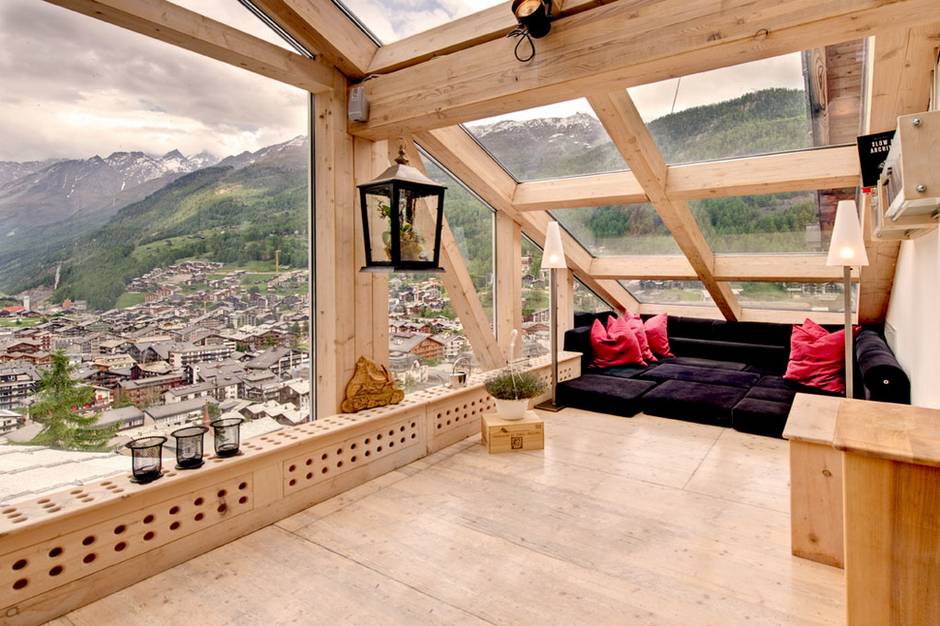
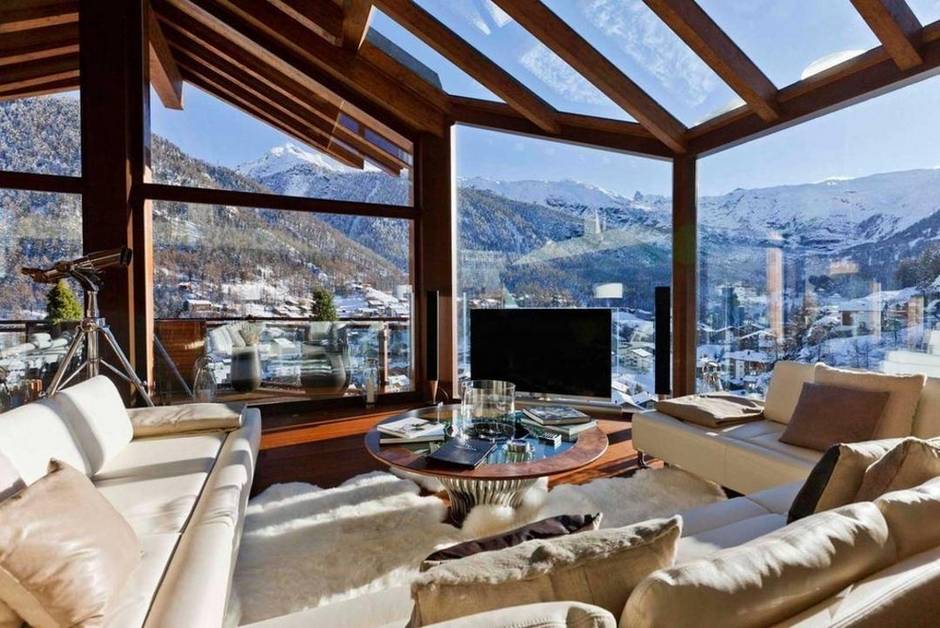
The Heinz Julen Penthouse in Zermatt, Switzerland

beautiful-living-space-1

The Clock Tower Apartment in Brooklyn, NY

beautiful-living-space-3

The Yellowstone Club in Big Sky, Montana

beautiful-living-space-4

The Firefly in Zermatt, Switzerland

beautiful-living-space-5

St. Lucia with resort


beautiful-living-space-6

Chalet Brickell in Rhone-Alpes, France

beautiful-living-space-7

Converted cathedral

beautiful-living-space-8

The Over Water Bungalow at Le Meridien in Bora Bora


beautiful-living-space-9

The Igloo Village in Kakslauttanen, Finland

beautiful-living-space-10

The Ladera Resort in St. Lucia Resort

beautiful-living-space-11

The Underwater bedroom in the Maldives

beautiful-living-space-12

The Garden House in Brazil


beautiful-living-space-13

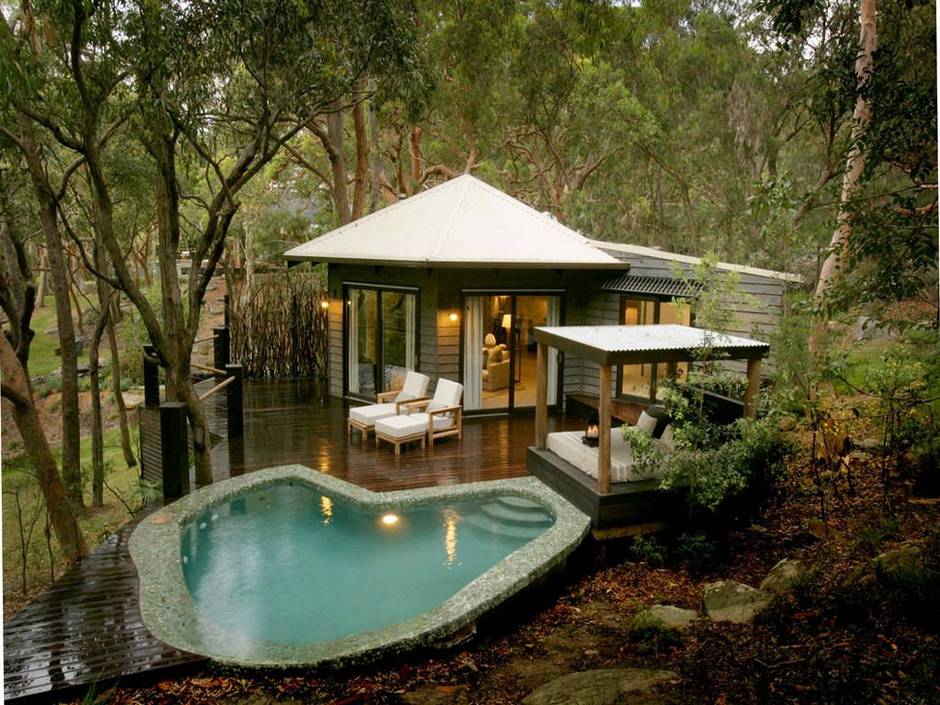
The Pretty Beach House on the Bouddi Peninsula in Australia

beautiful-living-space-14

Jade Mountain in St. Lucia

beautiful-living-space-15

The Southern Ocean Lodge on Kangaroo Island in Australia

beautiful-living-space-16

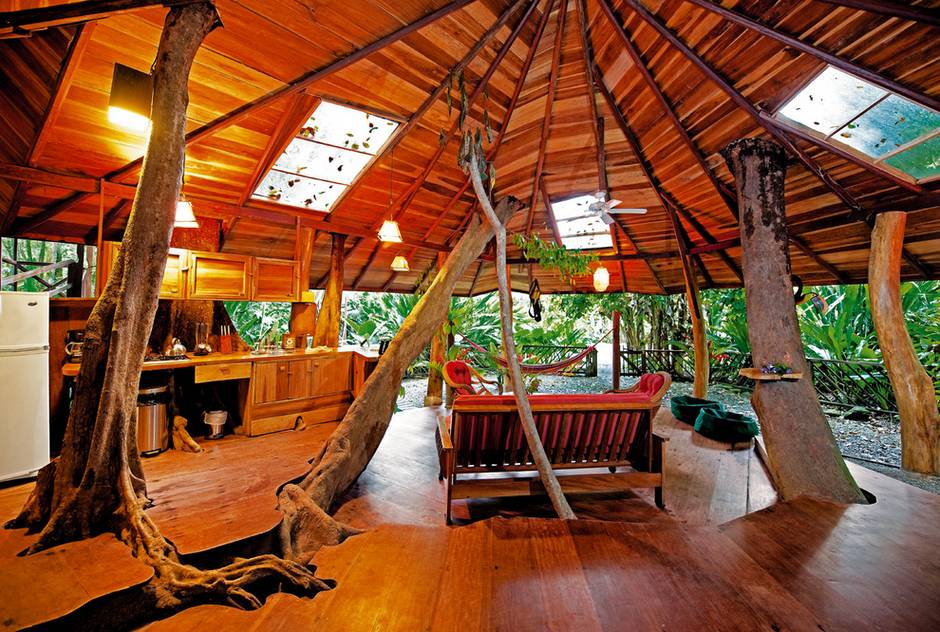
The Tree House in Costa Rica

beautiful-living-space-17

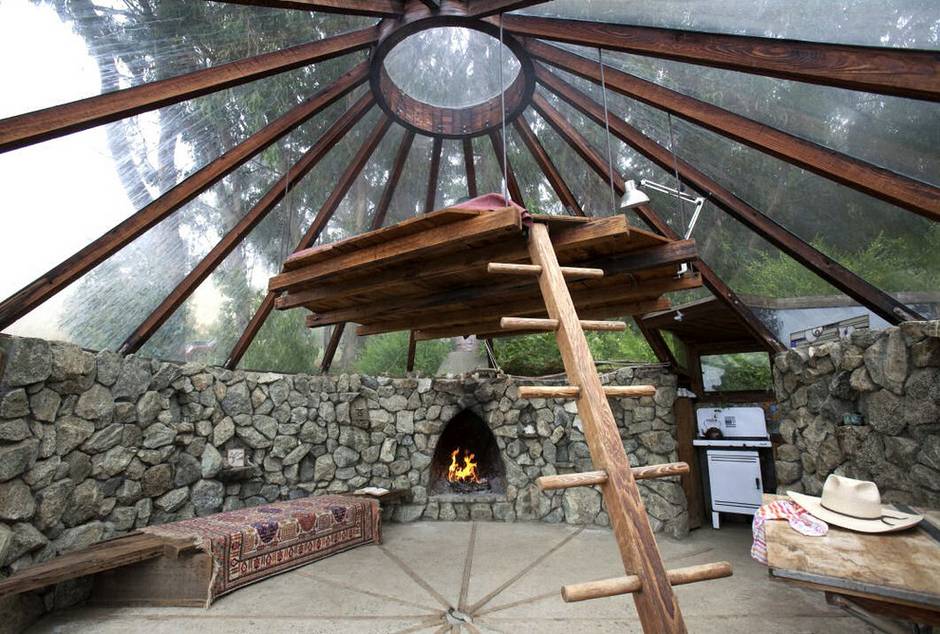
The Redwood grove cabin in California

beautiful-living-space-18

The Royal Loft Suite aboard the Oasis of the Seas

beautiful-living-space-19

The Chalet Zermatt Peak in Switzerland

beautiful-living-space-20

The One Room Glass Iglo House

beautiful-living-space-2

Read more ...